



 |
November 6, 2026
|
2:36 PM
 6 min read
As harvest progresses, some growers are finding corn leaning, breaking below the ear, or falling over. Although wind and heavy rain often get the blame, the problem may have begun weeks or months earlier.
Leaning stalks, snapped corn, or plants tipping over at the roots? These harvest challenges can reveal underlying issues with root development, nutrient availability, disease pressure, or environmental stress.
Identifying whether lodging begins at the roots or stalk is key to making targeted adjustments to hybrid selection, fertility, and disease management that can improve standability, reduce harvest losses, and protect yield potential next season.
What Causes Corn to Lodge?
There are two primary types of corn lodging:
- Stalk lodging: Occurs when weakened tissue, stalk rot, or physical damage causes the stalk to break or buckle, usually below the ear.
- Root lodging: Occurs when the root system cannot adequately anchor the plant because of saturated soil, shallow rooting, compaction, strong winds, or root-feeding insects.
Although the symptoms differ, both often trace back to stress, frequently beginning below ground, that results in reduced structural strength.
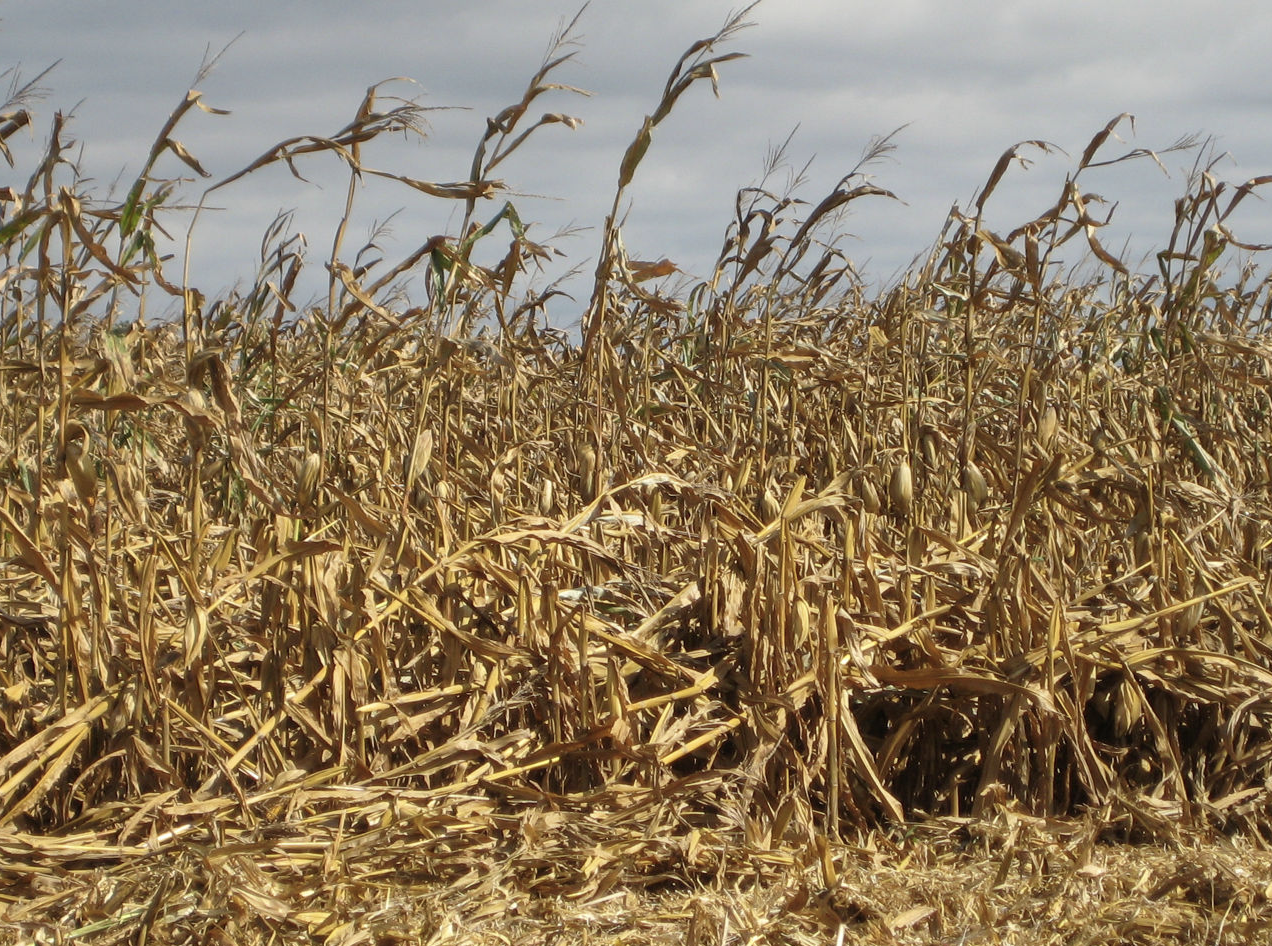 Corn stalk lodging. Photo courtesy of Bayer Crop Science.
Stalk Cannibalization: When Corn Sacrifices Its Stalk to Fill the Ear
During grain fill, kernels create strong demand for sugars and nutrients. Healthy leaves supply carbohydrates through photosynthesis, while active roots provide water and nutrients. When drought, nutrient shortages, leaf disease, or prolonged cloudiness limit that supply, the plant draws more heavily on reserves stored in leaves and stalks.
This remobilization is normal, but excessive withdrawal can weaken stalk tissue and increase susceptibility to stalk rot. A plant may therefore fill a respectable ear yet struggle to remain standing until harvest. The key point is that yield and standability can diverge when roots, nutrition, and photosynthesis cannot fully support grain fill.
Three Nutrients That Deserve Attention
Several nutrients contribute to stalk health, but nitrogen, potassium, and sulfur are particularly important to evaluate when investigating late-season stress.
- Nitrogen (N): Supports chlorophyll, photosynthesis, proteins, and grain development. When nitrogen is limited, corn moves nitrogen from older tissues to developing kernels.
- Potassium (K): Regulates water use, activates enzymes, transports carbohydrates, and supports stress tolerance. Inadequate potassium can reduce photosynthesis and increase stalk weakness.
- Sulfur (S): Essential for amino acids and protein synthesis and works closely with nitrogen.
Carbohydrates are equally important. Even with adequate soil fertility, drought, leaf disease, or low sunlight can reduce sugar production and intensify stalk cannibalization.
Balanced fertility matters, but nutrients must also remain available to healthy roots throughout the growing season.
The Root Zone Connection: Why Early-Season Stress Matters at Harvest
Corn standability in October is influenced by what happens in the root zone during April, May, and June.
Compaction, excess moisture, poor aeration, and restricted rooting may leave few early above-ground symptoms. However, these conditions can limit the crop's ability to handle drought, heavy rainfall, and increased nutrient demand later in the season.
During grain fill, restricted roots may supply too little water and nutrition, forcing the plant to rely more heavily on stored stalk reserves. Compaction can also limit root penetration and anchorage, making plants more vulnerable to lodging.
Improving drainage, soil structure, biological activity, and root development is therefore an important part of a long-term corn standability strategy.
Stalk Rot: When Disease Compounds the Problem
Stalk cannibalization and stalk rot are related, but they are not the same.
Stalk cannibalization is the plant's physiological movement of stored resources to support grain development.
Stalk rot involves infection and deterioration caused by pathogens.
Common organisms associated with stalk rot include:
- Fusarium species: Associated with root, crown, and stalk rots.
- Gibberella species: Can discolor and deteriorate internal stalk tissue.
- Anthracnose: Often identified by dark, shiny exterior lesions and internal stalk deterioration.
When environmental stress depletes stalk carbohydrates, pathogens may more readily colonize vulnerable tissue. Physiological weakness and disease can then combine to significantly increase lodging risk.
Where Does Holganix Bio 800+ Fit Into the Picture?
Understanding the difference between beneficial soil microorganisms and disease-causing pathogens is important when evaluating corn lodging and soil health.
Holganix Bio 800+ products are designed to support soil biological processes within an integrated crop management program.
Different groups of beneficial microorganisms perform important functions in the soil:
- Beneficial bacteria: Help decompose organic material, cycle nutrients, and interact with plant roots.
- Trichoderma fungi: Certain species may support root health or compete with some pathogens under suitable conditions.
- Arbuscular mycorrhizal fungi: Associate with living roots and may improve access to nutrients, particularly phosphorus.
- Saprophytic fungi and bacteria: Help decompose dead crop residue after harvest.
These biological processes are different from stalk cannibalization, which occurs inside a living plant as it reallocates reserves. The presence of decomposers does not, by itself, show that they caused lodging.
Likewise, biological amendments do not replace balanced fertility, compaction management, hybrid selection, or disease management. Their potential value is greatest when integrated with practices that support healthy roots and productive soil.
Five Things to Check in Your Cornfields This Fall
Lodged fields can provide valuable information to guide next year's management decisions.
Here are five practical steps growers can take to better understand what happened in their fields.
- Perform a push or squeeze test. Sample representative plants. Stalks that collapse or feel hollow may have lost strength; prioritize severely affected fields for harvest.
- Split lower stalks. Check for deteriorated pith, discoloration, and stalk rot, comparing affected and unaffected areas.
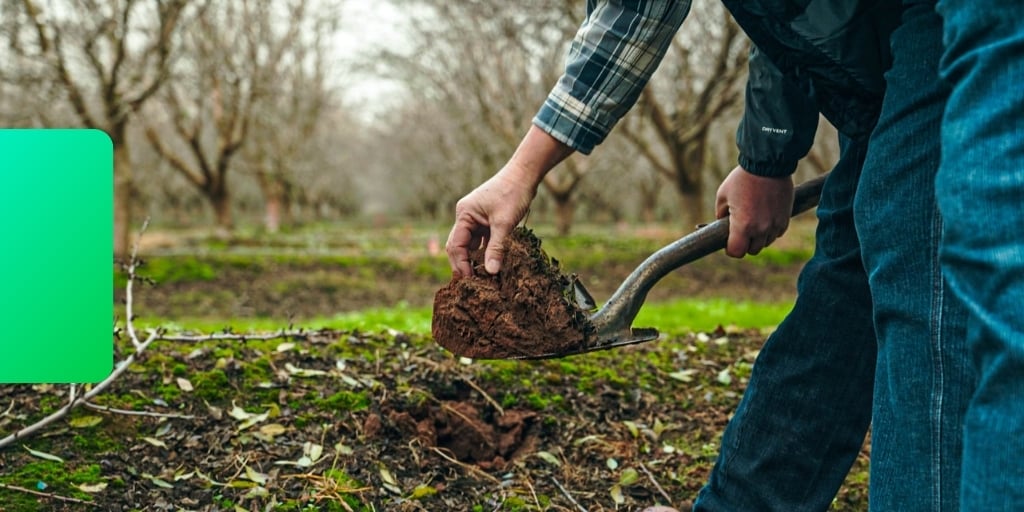
- Examine roots. Dig plants and look for shallow or restricted growth, root injury, poor brace-root development, and compaction layers.
- Review fertility and seasonal stress. Consider nitrogen and potassium programs, soil and tissue tests, rainfall, drought, disease, and excess moisture.
- Evaluate soil management. Review residue, cover crops, disturbance, traffic, and biological amendments as parts of a longer-term soil structure and root-zone strategy.
The goal isn't simply to identify lodged plants. It's to understand why they became vulnerable in the first place.
Building Stronger Corn Starts Below Ground
Corn standability reflects the entire season. Its foundation includes sound soil structure, drainage, aeration, balanced nutrition, and roots able to obtain water and nutrients when demand peaks. Maintaining green leaf area and photosynthesis during grain fill is equally important.
For Holganix growers, Bio 800+ can be one component of a broader soil health program that also addresses fertility, residue, compaction, and root development. Biological amendments cannot eliminate lodging caused by severe weather, pathogens, or other stresses, but understanding their relationship with roots, nutrient cycling, and soil structure can support better decisions.
The bottom line: Lodging appears at harvest, but the conditions behind it often develop much earlier. Understanding what happens below the soil surface improves the ability to manage what happens above it.
Get More Agronomy Insights With The Root Zone
Want more practical agronomy insights to help you make the most of every acre?
The Root Zone is Holganix's monthly newsletter, bringing growers timely agronomy updates, soil health education, seasonal management tips, grower stories, and helpful resources.
Whether you're preparing for planting, managing crops throughout the growing season, or evaluating your fields after harvest, The Root Zone delivers insights to help you make informed decisions.

Practical agronomy insights. Real grower experiences. Delivered to your inbox every month.



- blog (404)
- lawn care (354)
- agriculture (217)
- golf course (193)
- sports turf (190)
- holganix reviews (160)
- story (126)
- farmers (32)
- Holganix Bio 800 (30)
- soil health (27)
- Holganix Bio 800+ Revive (18)
- soil (16)
- trees (16)
- holganix case studies (15)
- Holganix Bio 800 Breakdown (14)
- webinar (13)
- Soil heath (12)
- Holganix Bio 800 Agriculture (11)
- carbon (10)
- soil microbes (9)
- HGX (8)
- crop residue (8)
- holganix results (8)
- Gratitude (6)
- core values (6)